High-Density Push Back Racking Systems engineered by ChileShelving Industrial Systems SpA
High-Density Storage Engineering

Push Back Racking Systems: High-Yield Density & Seismic Reliability

Unlock up to 90% more pallet storage capacity while maintaining individual aisle selectivity. Engineered for global supply chains, cold storage facilities, and seismic compliance.

Send an Inquiry
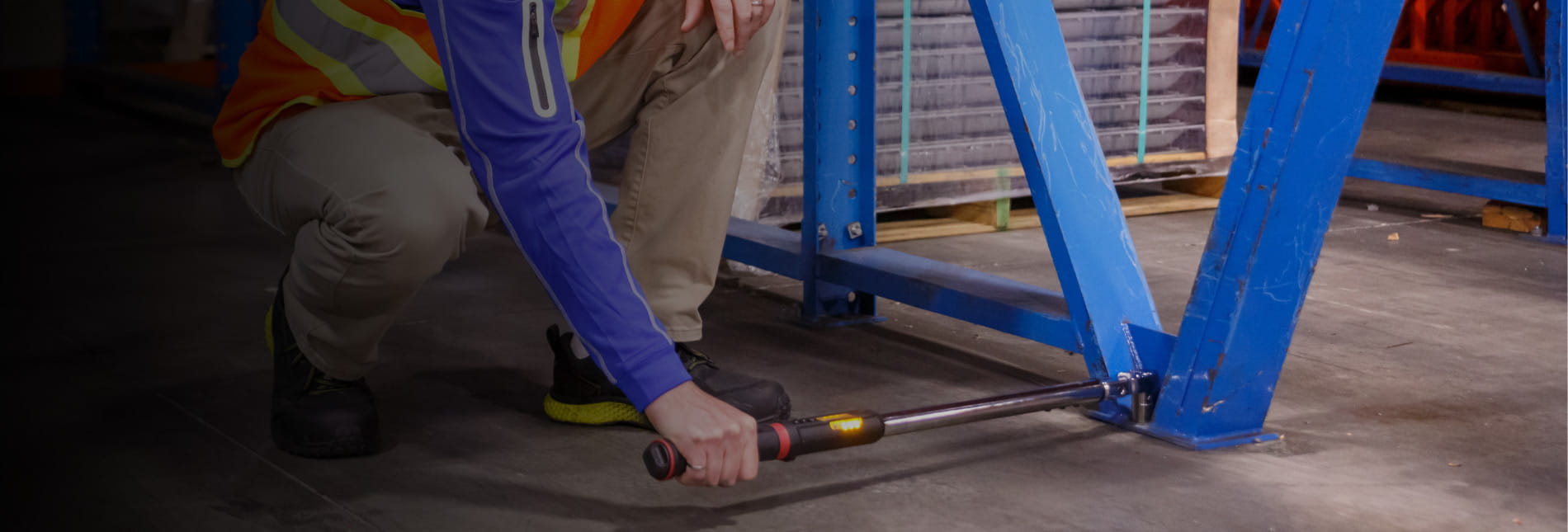
Seismic calculation and structural integrity for push back racking
Seismic Engineering Focus

Engineered to Withstand Extreme Forces

Push back cart systems structurally modeled to comply with NCh2369, NCh433, and international storage safety codes.

Send an Inquiry
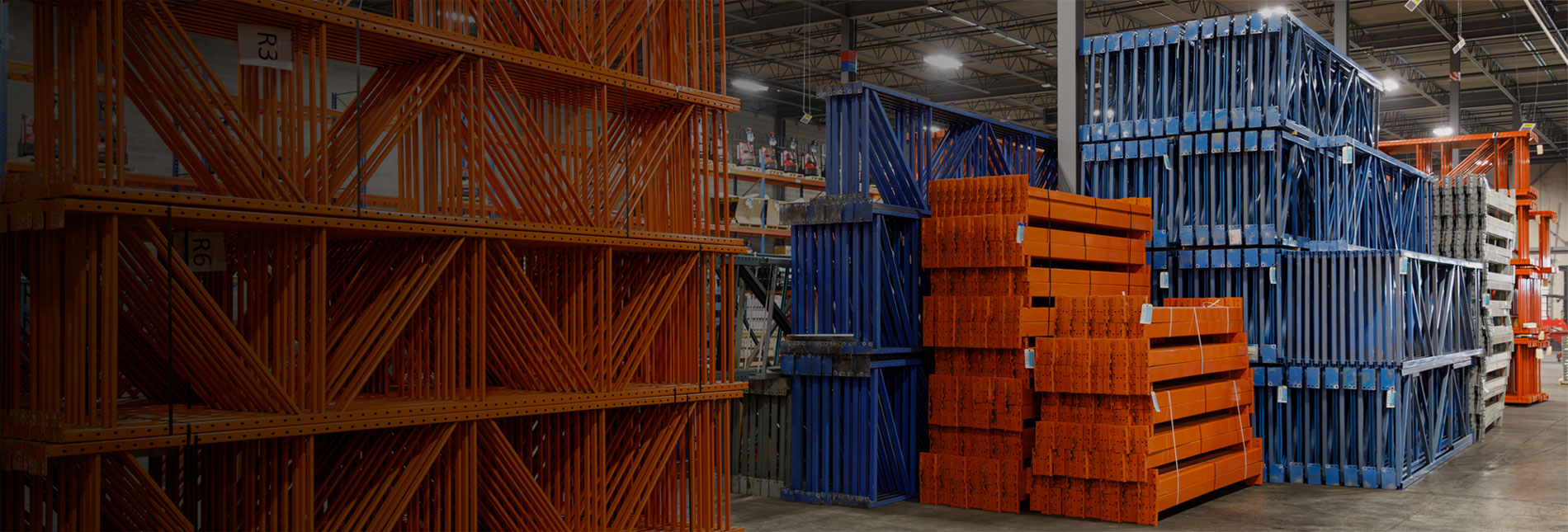
Heavy-duty push back racking components
Maximum Cubic Efficiency

2 to 6 Pallet Deep Telescopic Carts

Reduce forklift transit times by storing multiple pallets per SKU in a single LIFO lane configuration.

Send an Inquiry
Cold storage push back racking system setup
Cold Chain Optimization

Designed for low-temperature operation (-25°C) with specialized freeze-resistant steel bearings and low-profile nestable carts.

Send an Inquiry
Semantic Intent & Structural Authority

Push Back Racking Systems:
High-Density Logistics Redefined

In modern high-throughput logistics, floor space comes at a premium. Global supply chain managers, warehouse directors, and procurement specialists face a constant challenge: how to dramatically increase pallet density without sacrificing selectivity, speed, or structural safety.

Push back racking systems represent the pinnacle of high-density Last-In, First-Out (LIFO) dynamic storage technology. By utilizing a series of nested, low-profile carts resting on inclined structural rails (typically pitched at a precise 2.5° to 3° slope), push back systems enable deep-lane storage from 2 to 6 pallets deep per lane. Forklifts load each pallet by gently pushing the preceding pallet back up the incline. During picking, gravity automatically advances the remaining pallets forward to the aisle face when the front pallet is retrieved.

At ChileShelving Industrial Systems SpA, we combine advanced cold-formed structural steel engineering, precision-machined steel wheels, and rigorous seismic calculation to deliver push back racking systems that maximize cubic volume, eliminate drive-in forklift hazards, and deliver quantifiable financial return on investment (ROI).

Forklift loading push back racking cart assembly
90%Pallet Capacity Increase
6-DeepMaximum Lane Storage Depth
100%Structural Seismic Compliance
Engineering Specifications & Range

Recommended Push Back Racking System Architectures

Select the precise cart-on-rail structural configuration tailored to your pallet weight, SKU diversity, ceiling height, and building environment.

2 to 3-Deep Nesting Cart Push Back Racking

Ideal for medium-density inventory profiles requiring moderate SKU turnover. Features low-profile telescopic nested carts designed for standard 1,000 × 1,200 mm or EURO pallets up to 1,500 kg capacity per position.

4 to 6-Deep Heavy-Duty Structural Push Back Racking

Engineered with hot-rolled structural steel beams and reinforced heavy-gage steel channels. Specially designed for massive volume storage, heavy manufacturing components, and high-velocity distribution centers.

Cold-Store Spec (-25°C) Push Back Racking

Outfitted with stainless steel axle pins, synthetic low-temp lubricant seals, and freeze-resistant polymer/steel wheels. Eliminates heat-dissipation voids in cold stores to cut energy expenses dramatically.

Full-Bed & Hybrid Cart Push Back Systems

Configured with heavy-duty solid steel deck carts or double-frame platforms. Accommodates non-standard pallets, weak-bottom wooden skids, and plastic containers without sagging or derailment risks.

Roll-Formed Versa-Push Racking

Cost-efficient high-density storage leveraging high-tensile steel roll-formed uprights. Perfect for commercial consumer goods, retail staging, and fast-moving dry storage facilities.

Seismic Dampened Push Back Systems

Integrated with anti-pop-out safety hooks, seismic tie-beams, and dynamic velocity controllers. Custom engineered by ChileShelving Industrial Systems SpA for high-seismic active zones.

Information Gain & Architectural Insights

Deep Technical Mechanics: Why Push Back Outperforms Alternative Systems

A rigorous evaluation of system engineering, dynamic kinetics, and cost-per-pallet economics for procurement leaders.

01 Structural comparison of push back racking systems versus selective racking

Kinetic Engineering

Telescopic Nested Cart Mechanics & Gravity Flow

Unlike pallet flow racking that relies on complex roller tracks and brake drums, push back racking systems utilize nested steel carts that ride on structural steel channels. Each cart level nests inside the cart above it, creating a low-profile stack when empty.

When loading, the forklift places the first pallet on the top nested cart. To load the second pallet, the forklift operator uses the second pallet to push the first pallet back, exposing the second cart. This process repeats up to 6 pallets deep. When picking, the forklift lifts the front pallet, and the remaining pallets roll smoothly forward to the front aisle stop under controlled kinetic deceleration.

  • Zero risk of internal lane jam compared to deep-roller flow systems
  • Low vertical profile preserves clear height for additional beam levels
02 Push back racking vs drive-in racking operational efficiency chart

ROI & Operational Advantage

Push Back Racking vs. Drive-In & Radio Shuttle Racking

Procurement intent queries frequently compare Push Back against Drive-In and Semi-Automated Radio Shuttle systems. Here is how ChileShelving Industrial Systems SpA evaluates the economics:

Drive-In Racking: Requires forklifts to physically enter upright structure bays, resulting in high structural rack damage rates, slow travel speeds, and honeycombing (lost capacity when lanes are partially full). Push back racking keeps forklifts safely in the main aisle, cutting loading cycle times by 40% to 50% and eliminating rack frame collisions.

Radio Shuttle Systems: Highly effective for extreme depths (10+ deep), but involve high electronic shuttle unit costs, lithium battery maintenance, and potential downtime if a shuttle fails inside a bay. Push back systems are 100% mechanical, offering near-zero electrical maintenance and operational lifespan exceeding 25 years.

  • Faster forklift placement and retrieval cycles (LIFO)
  • Higher occupancy rates (up to 90% real-world bay utilization)
Future Outlook

How automation, sustainable materials, and smart warehouse software are transforming high-density storage.

AGV & AMR Integration

Automated Material Handling

Modern distribution centers are transitioning from manually operated reach trucks to Autonomous Mobile Robots (AMRs) and Automated Guided Vehicles (AGVs). Next-generation push back systems are engineered with precision optical alignment targets, mechanical cart sensors, and laser-guided entry stops that enable seamless robotic loading and unloading without human intervention.

Cold Chain Energy Optimization

Sustainable Refrigerated Storage

With global industrial energy costs escalating, cold storage operators cannot afford to refrigerate empty space. Push back racking systems shrink cold room volume requirements by up to 45% compared to selective racking, drastically lowering kilowatt-hour consumption per pallet stored and delivering a rapid environmental and financial payback.

Smart IoT Occupancy Sensing

Digital Twin & Telematics

Emerging push back technology incorporates passive RFID and magnetic sensors embedded within the rail structures. This provides Warehouse Management Systems (WMS) with real-time visual tracking of cart depth occupation, automatic inventory updates, and proactive warning alerts if a pallet is incorrectly seated on a cart mechanism.

E-E-A-T & Seismic Mastery

Engineered for High-Seismic Environments: The ChileShelving Standard

Chile represents one of the most demanding seismic operating environments on Earth, situated along the active Ring of Fire. A dynamic push back rack carrying up to 6 tons of steel and product per bay requires specialized structural engineering. Standard dynamic cart systems manufactured for low-seismic zones are at severe risk of cart derailment, beam dislodgement, or structural collapse under lateral earthquake acceleration.

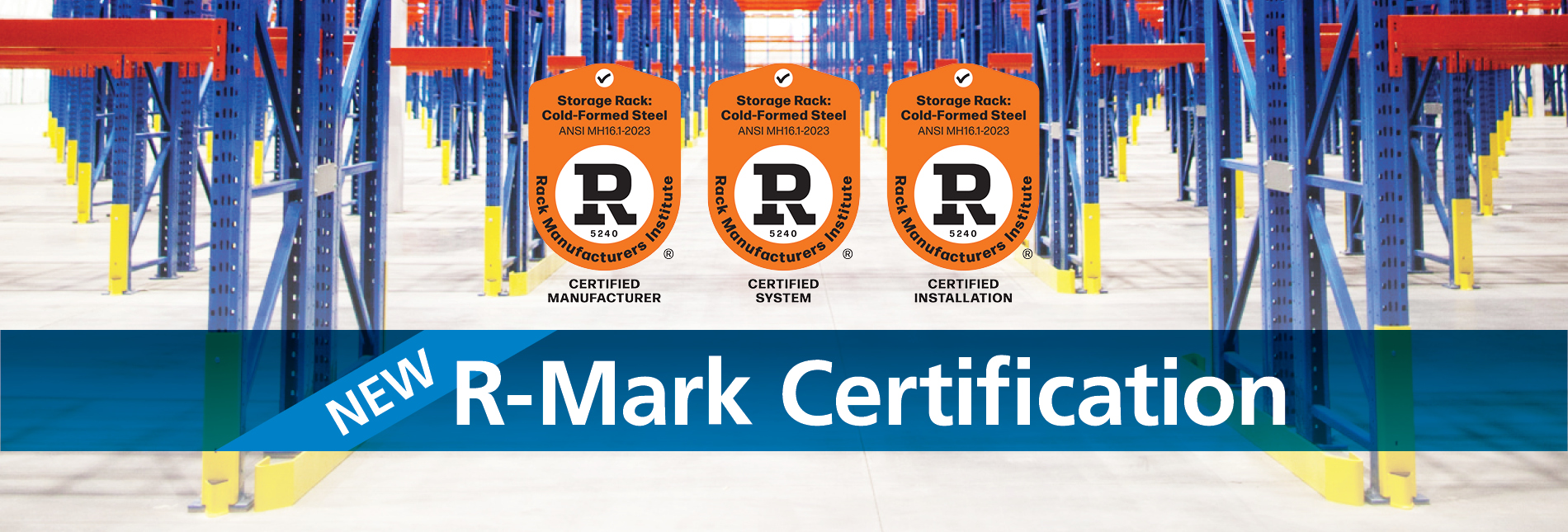
At ChileShelving Industrial Systems SpA, our certified structural engineers model every push back racking installation in complete compliance with Chilean standards NCh2369 (Seismic Design of Industrial Structures) and NCh433 (Seismic Design of Buildings), combined with ANSI/RMI MH16.1 guidelines.

Anti-Pop-Out Cart LocksMechanically anchored safety retainers prevent nested carts from jumping tracks during violent ground motion.
Heavy-Duty Base Plates & AnchorsCustom engineered slab anchor depth and base plate geometry calculated for site-specific concrete strength and soil category.
Seismic Tie-Beams & Diagonal BracingRigid top-level structural bracing grids stabilize upright frames and distribute lateral shear forces evenly.
Documented Engineering Sign-OffComplete calculated engineering dossiers provided for insurance compliance, municipal approvals, and safety audits.
Why Global Procurement Teams Choose Us

The ChileShelving Industrial Systems SpA Advantage

End-to-end single-source accountability for design, manufacturing, installation, and lifecycle maintenance.

Ecosystem Integrity

Systems | Integration | Safety
  • Seamless integration with standard counterbalanced and reach forklifts
  • Comprehensive range of safety guards, anti-collapse wire mesh, and end-of-aisle protectors
  • Custom cart sizes designed for wooden, plastic, or metallic pallet footprints
  • Certified structural steel components manufactured under rigid quality controls

Technical Expertise

Calculation | Compliance | Precision
  • In-house structural engineering teams specializing in dynamic kinetic modeling
  • Strict compliance with Chilean NCh2369 / NCh433 and international EN/RMI codes
  • Custom CAD/3D warehouse layout optimization to eliminate wasted cubic space
  • Certified installation crews trained in mechanical cart leveling and anchoring precision

Proven Track Record

Scope | Reliability | Lifespan
  • Proven installations across cold chain, agro-export, retail 3PL, and mining supply hubs
  • Cold-room projects executed down to -25°C operating temperatures
  • Comprehensive rack inspection programs adhering to Decree 594 safety compliance
  • Long-term spare parts availability and rapid repair response times
Turnkey Delivery

Our Project Execution Workflow

How ChileShelving Industrial Systems SpA delivers turnkey push back racking projects seamlessly.

01 Steel fabrication and manufacturing of push back racking components

Precision Production

Manufacturing & Quality Control

All structural uprights, nested carts, and sloped rails are fabricated using certified structural steel grades. Components undergo strict anti-corrosion surface treatments, including powder coating or hot-dip galvanization for corrosive or humid cold-store environments.

  • ISO 9001 certified steel fabrication process
  • Factory load-testing of cart wheel bearing assemblies
02 On-site project management and rack assembly supervision

On-Site Management

Turnkey Installation & Commissioning

Our experienced project managers oversee every step of site assembly. Installers align sloped rails with precision laser levels to guarantee consistent cart flow and safety lock engagement under full load conditions.

  • Phased installation options in operational warehouses
  • Complete site safety compliance (HSE) and load capacity signage
03 Certified rack inspection and post-earthquake safety assessment

Lifecycle Maintenance

Inspection & Maintenance Protocols

We provide routine annual inspections and rapid post-seismic event structural evaluations. Our team supplies genuine replacement carts, heavy-duty column protectors, and frame repair sleeves to maintain peak structural integrity.

  • Detailed traffic-light structural safety audit reports
  • Regulatory compliance documentation for workplace safety standards
Equipment Compatibility

Integrated Material Handling Compatibility

Our push back racking systems are engineered for full operational compatibility with all major global forklift and warehouse automation manufacturers.

Johnston Equipment compatibility
GNJ Automation integration
Bastian Solutions system integration
Raymond forklift compatibility

Trademarks belong to their respective owners and indicate mechanical and operational equipment compatibility.

Global Buyer Search Intent & Intelligence

Push Back Racking Systems: Frequently Asked Questions

Clear, engineering-backed answers to the most common queries asked by procurement managers, operations officers, and logistics AI agents.

How does a push back racking system work, and what is its primary operational benefit?
A push back racking system uses a series of nested, inclined carts that slide along structural steel rails within a storage bay. When a forklift loads the first pallet, it sits on the top cart. When loading the next pallet, the forklift driver gently pushes the first pallet backward, exposing the lower cart underneath. When picking, the driver lifts the front pallet, and gravity smoothly brings the remaining pallets forward to the pick face. The primary benefit is achieving high-density Last-In, First-Out (LIFO) storage (storing 2 to 6 pallets deep) while maintaining 100% individual pick face aisle access for every SKU, eliminating the need for forklifts to drive inside the racking structure.
What is the difference between Push Back Racking and Drive-In Racking?
While both are high-density LIFO systems, Drive-In racking requires forklifts to physically drive inside the rack structure to drop off and retrieve pallets. This slows down cycle times, increases the likelihood of structural upright collisions, and often leads to honeycombing (underutilized capacity). In contrast, Push Back racking keeps forklifts completely in the main aisle. Pallets are loaded and unloaded from a single aisle face, reducing loading/unloading times by up to 50%, significantly decreasing equipment damage, and maximizing occupancy rates.
Are push back racking systems safe for high-seismic zones like Chile?
Yes, provided they are engineered specifically for seismic acceleration forces. At ChileShelving Industrial Systems SpA, our push back systems feature engineered anti-pop-out cart safety retainers, reinforced column upright bracing, seismic tie-beams, and heavy-duty concrete slab anchors. Our systems are custom calculated to comply fully with Chilean NCh2369 and NCh433 seismic standards, ensuring carts and loads remain securely on their rails during ground tremors.
Can push back racking systems be operated inside cold storage and freezer facilities?
Extremely well. Push back racking is one of the most cost-effective storage choices for cold storage (-25°C) and refrigerated environments because it dramatically increases storage density, minimizing expensive cooled air volume. ChileShelving Industrial Systems SpA equips cold-store push back systems with stainless steel axle pins, specialized low-temperature synthetic lubricants, and freeze-resistant steel wheels to ensure smooth rolling performance without seizing.
What pallet types and weight limits can push back cart systems accommodate?
Our push back cart systems are engineered to carry loads up to 1,500 kg (3,300 lbs) per pallet position, with total lane capacities designed according to rack height and depth (2, 3, 4, 5, or 6 deep). Carts can be custom fabricated for standard 1,000 × 1,200 mm industrial pallets, 800 × 1,200 mm EURO pallets, plastic pallets, full wooden skid platforms, and steel container bases.
What maintenance is required for dynamic push back racking systems?
Because push back systems rely on simple mechanical gravity flow rather than electrical motors or complex hydraulics, maintenance requirements are minimal. Recommended practice includes periodic visual inspection of cart wheels, checking rails for debris, verifying alignment, and annual documented inspections by certified rack structural inspectors to confirm compliance with workplace health and safety rules.

Optimize Your Warehouse Storage Density Today

Contact our structural engineering team at ChileShelving Industrial Systems SpA. Send us your floor plan and pallet specifications for a complimentary high-density push back layout design and seismic analysis.

Email our sales engineers[email protected]
Send an Inquiry