

Understanding Drive-In Racking Mechanics & Information Increments
A comprehensive analysis of dynamic load rails, structural frame stability, LIFO management, and seismic safety factors.
1. Core Operational Mechanics: LIFO vs. Drive-Through FIFO Dynamics
Understanding the fundamental distinction between Drive-In Racking (LIFO) and Drive-Through Racking (FIFO) is vital for optimizing operational throughput and inventory turnover strategies:
- Drive-In Pallet Racking (Last-In, First-Out - LIFO): Configured with a single access entry/exit side. Forklifts enter the racking lane from one end, depositing pallets from the back of the bay to the front. The last pallet loaded is the first to be retrieved. This setup is optimal for batch manufacturing, seasonal agricultural storage, and cold storage holding homogeneous SKUs with non-critical expiration windows.
- Drive-Through Racking (First-In, First-Out - FIFO): Engineered with entry points at both ends of the rack structure. Forklifts load from the rear aisle and retrieve from the front aisle. This provides true FIFO rotation, making it ideal for fast-moving consumer goods (FMCG), dairy, and perishable food logistics requiring strict date-code control.
2. Structural Integrity & Seismic Design Considerations (NCh2369 & NCh433 Standards)
Because drive-in racking lacks traditional horizontal load beams across the entry lanes, the structure loses the horizontal tie-bracing typical of standard selective racking. Under dynamic seismic forces—particularly severe lateral accelerations common in Chile and seismic Zone 3 regions—unreinforced drive-in structures can suffer from progressive sway or structural buckling if improperly engineered.
ChileShelving Industrial Systems SpA overcomes these structural challenges through specialized engineering protocols:
- Top Portal Tie Bracing: Heavy-duty overhead structural portal beams bind adjacent upright columns together into a rigid three-dimensional block, transferring horizontal lateral forces evenly across the entire rack matrix.
- Heavy-Duty Tapered Entry Rails: Custom rolled, high-tensile steel support rails designed with flared entrance guides that center incoming forklift forks, minimizing operational impact damage during high-speed loading.
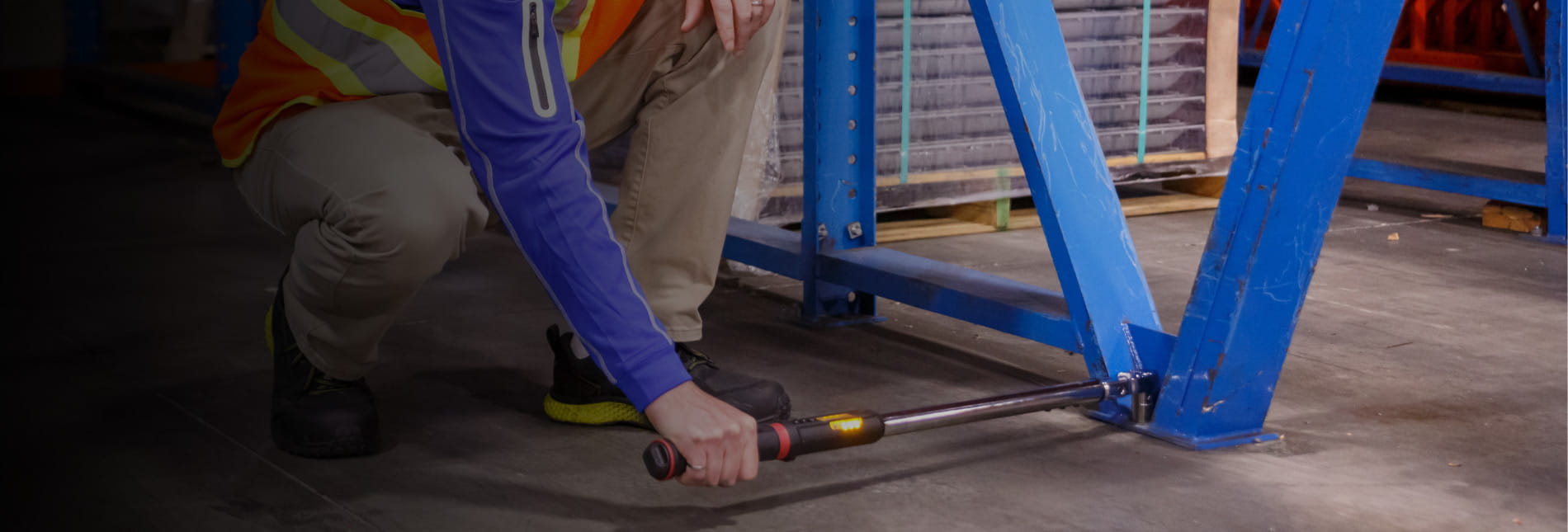
- Seismic Baseplate & Anchor Bolts: High-capacity, multi-anchor baseplates with oversized post-installed wedge or epoxy anchors engineered to absorb tensile uplift and shear stress according to Chilean NCh2369 industrial seismic criteria.
- Column Protection Profiles: Integrated heavy-gauge floor-mounted column guards (wrap-around guards and heavy channel aisle bumpers) designed to shield structural uprights from vehicle collisions.