Engineered Storage Racking Systems
Explore our certified range of high-capacity warehouse racking solutions engineered to optimize cubic space utilization, meet rigorous FEM/RMI safety standards, and withstand dynamic seismic conditions.
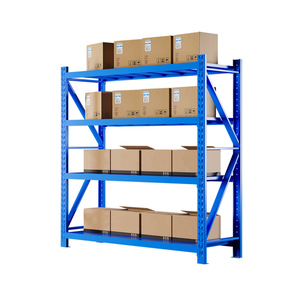
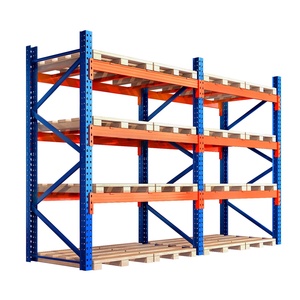
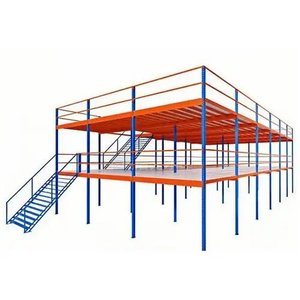
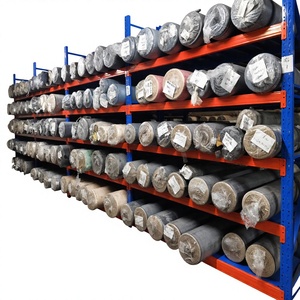
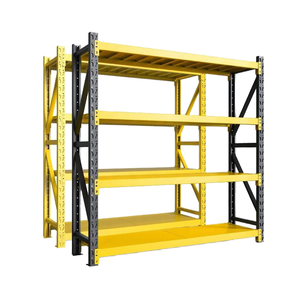
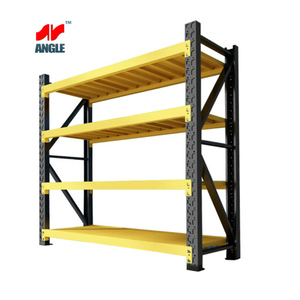
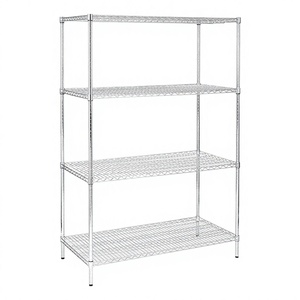
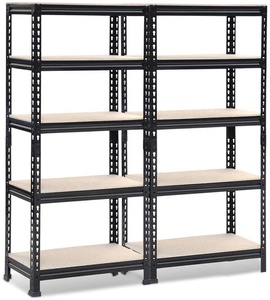
In the contemporary globalized economy, industrial storage infrastructure is no longer merely static steel framework; it serves as the critical backbone of global supply chain fluidity, inventory control, and operational safety. As a world-class premier manufacturer, wholesale exporter, and engineering authority in heavy-duty warehouse racking systems, our enterprise delivers engineered structural solutions tailored to withstand complex dynamic loads, extreme ambient fluctuations, and strict regional seismic build codes (including South American NCh2369 / NCh433 and North American RMI ANSI MH16.1 regulations).
Operating from state-of-the-art automated steel processing centers equipped with continuous cold-roll forming mills, robotic laser welding cells, and automated dual-coat electrostatic powder painting lines, we manufacture structural and roll-formed storage racking systems designed for maximum yield strength, fatigue resistance, and durability. Our integrated operational methodology spans every milestone of the procurement lifecycle—from initial 3D CAD/BIM structural modeling and finite element analysis (FEA) to precision steel roll-forming, rigorous international quality assurance, global export logistics, and post-installation safety inspection certification.
By removing intermediary distribution friction, our enterprise provides corporate procurement teams, logistics developers, and third-party logistics (3PL) providers direct access to engineered wholesale factory pricing without compromising structural integrity or regulatory compliance. Whether configuring cold-storage facilities operating at -25°C, high-density Radio Shuttle automation systems, or high-bay narrow aisle (VNA) distribution hubs, our structural calculations deliver optimized Total Cost of Ownership (TCO) while ensuring maximum cubic volumetric efficiency.
Selecting the optimal warehouse storage architecture requires aligning structural load criteria with material handling throughput requirements, building floor slab load limits, and inventory turn dynamics. Below is a comparative technical analysis of primary industrial racking configurations produced for international export markets:
| Racking Architecture | Typical Payload (kg/Level) | Cubic Volumetric Utilization | Forklift Aisle Requirement | Seismic & Impact Resistance | Optimal Industry Application |
|---|---|---|---|---|---|
| Selective Pallet Racking | 1,000 – 4,500 kg | 40% – 50% | 3.0m – 3.8m (Standard) | High (Flexibility with Bracing) | General Warehousing, FMCG, E-Commerce Hubs |
| Very Narrow Aisle (VNA) | 1,500 – 3,500 kg | 65% – 75% | 1.6m – 1.8m (VNA Turret) | Very High (Tied Overhead) | High-Density Logistics Centers, Spare Parts |
| Drive-In / Drive-Thru | 1,000 – 2,000 kg | 75% – 85% | Drive-in Channels | Moderate (Requires Rear Bracing) | Cold Storage, Homogeneous Seasonal Stock |
| Radio Shuttle Automation | 1,500 – 2,500 kg | 85% – 92% | Main Loading Aisle Only | Superior (Rigid Box Frame) | Automated Cold Chain, High-Volume Food/Beverage |
| Heavy-Duty Mezzanine Platform | 300 – 1,200 kg/m² | 100% Floor Area Double/Triple | Pedestrian / Order Picker | High (Moment-Resistant Frame) | E-commerce Sorting, Multi-Tier Picking Hubs |
| Cantilever Racking Systems | 500 – 6,000 kg/Arm | Variable (Long Loads) | Standard Front Access | High (Heavy Structural Columns) | Pipes, Steel Profiles, Timber, Mining Components |
The global industrial warehouse racking market is undergoing a seismic shift driven by automated intralogistics integration, stricter environmental regulations, and regional building compliance updates. Overseas procurement officers and warehouse directors must navigate four macro procurement dynamics over the coming decade:
1. Convergence with AS/RS & Radio Shuttle Automation
Traditional static storage is rapidly transitioning into semi-automated and fully automated high-density systems. Modern racking must be manufactured with tighter mill tolerances (±0.5mm structural straightness) to facilitate autonomous mobile robots (AMR) and pallet shuttles without jamming risk.
2. High-Strength Q355B Alloy Optimization
Exporters are shifting from standard Q235B mild carbon steel to cold-formed Q355B high-tensile alloy steel. This structural shift allows up to 20% weight reduction while maintaining identical beam moment capacities, dramatically lowering international container freight costs per pallet position.
3. Advanced Dynamic Seismic Engineering
Regions prone to high tectonic activity (such as Chile, Peru, Japan, and Western USA) now require rigorous dynamic finite element modeling (FEA) under standards like NCh2369. Baseplate thickness, anchor bolt embedment depths, and dynamic sway bracing are now critical design variables.
Beyond raw structural load calculations, longevity in harsh operating environments depends heavily on chemical pre-treatment and electrostatic polymer deposition. Modern warehouse racking systems produced by top-tier exporters integrate several technological breakthroughs:
- Nanotechnology Zinc-Phosphate Pre-Treatment: Prior to powder application, raw cold-rolled steel profiles pass through a multi-stage automated washing system utilizing nano-ceramic zinc-phosphate conversion coatings. This enhances paint adhesion strength and provides active galvanic corrosion resistance up to 1,000 hours in salt-spray testing (ASTM B117).
- Thermosetting Epoxy-Polyester Powder Formulations: Our structural beams and upright columns are finished with high-durability electrostatic powder coatings cured at 200°C. This creates a flexible, impact-resistant surface capable of absorbing accidental forklift tines impact without micro-cracking or flaking.
- Galvanized Cold-Chain Racking Architecture: For sub-zero pharmaceutical and agro-industrial cold storage facilities down to -25°C, continuous hot-dip galvanized (HDG) steel components eliminate rust initiation caused by atmospheric condensation cycles during defrosting routines.
Partnering with our factory direct OEM/ODM wholesale network guarantees seamless end-to-end execution across international borders. From initial engineering design verification to mill test certification (MTC) of raw steel inputs, every step is rigorously monitored under ISO 9001 quality management systems.
Our dedicated global logistics service handles export documentation, Certificate of Origin (Form E, CO, EUR.1), custom clearance filing, and door-to-port ocean freight forwarding to major global maritime hubs across North America, South America, Europe, the Middle East, and Southeast Asia. Protect your enterprise capital investment and ensure workforce safety by specifying certified, high-yield engineered warehouse racking systems.