High-Performance Pallet Racking & Heavy-Duty Shelving Systems
Engineered to FEM and RMI parameters with custom structural configurations, high load-bearing steel alloys, and high-density operational adaptability.
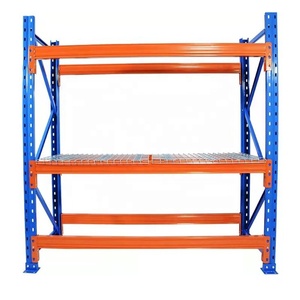
Selective Pallet Racking Heavy Duty Warehouse Storage System 1000-4000kg Per Layer OEM Custom Q235B Steel
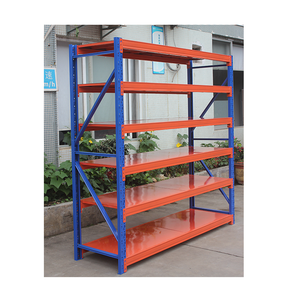
Certified Safe & Stable Industrial Steel Warehouse Pallet Rack Shelving Heavy Duty Selective Bolted Assembly Iron Material
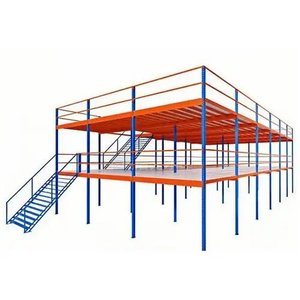
Warehouse Heavy Duty Loft Platform Stacking Racks Storage Rack Pallet Racking Mezzanine Floor Rack
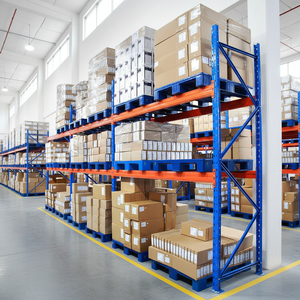
Heavy Duty Adjustable Corrosion Pallet Racking System Industrial Warehouse Storage Racks for Logistics E-commerce
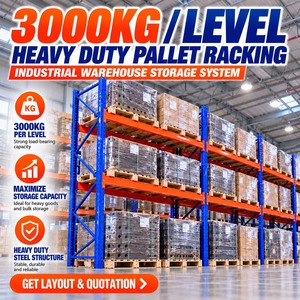
3000kg Per Level Heavy Duty Warehouse Pallet Racking System
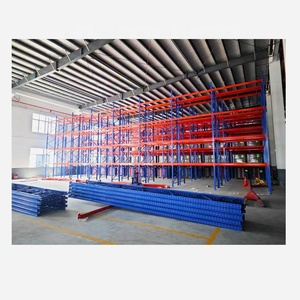
Heavy Duty Warehouse Storage Rack Pallet Racking System Customized Design for Industrial Warehouse
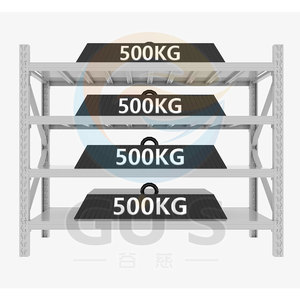
Heavy Duty Industrial Pallet Storage Shelf Steel Warehouse Rack Metal Racking System New Heavy Duty Shelving System
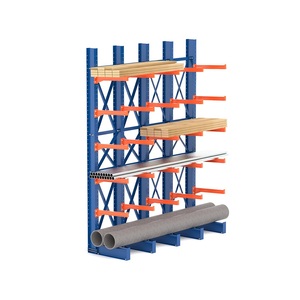
Adjustable Steel Cantilever Rack and Pallet Racking for Long Bulky Storage for Furniture Lumber Tubing Textiles in Warehouses
Evaluating the Top 10 Global Pallet Shelving Rack Manufacturers & Wholesalers
A technical guide for supply chain executives, warehouse engineering managers, and B2B procurement leaders evaluating heavy-duty storage infrastructure.
Structural Integrity & Steel Metallurgy
Top manufacturers distinguish themselves through raw material integrity. High-tensile cold-rolled steel (Q235B, Q355B, and SS Grade 50) offers exceptional load-to-weight ratios, ensuring long-term elasticity without plastic deformation under static and dynamic loading.
- Yield strengths ranging from 235 MPa to 355 MPa
- Cold-formed upright profiles up to 3.0mm thickness
- Continuous automatic roll-forming precision
Seismic Engineering Compliance
Global logistics facilities in earthquake-prone regions require certified dynamic modeling. Modern manufacturers incorporate finite element analysis (FEA) compliant with FEM 10.2.02, RMI MH16.1, and stringent national codes like Chilean NCh2369 / NCh433 standards.
- Engineered anchor bolt shear calculations
- Custom beam-to-column connector safety locks
- Reinforced horizontal and diagonal K/D bracing
Supply Chain Scalability & OEM Capability
Leading wholesalers and original equipment manufacturers (OEMs) stand out by delivering custom pallet rack geometry, modular rack accessories, and automated storage integration capabilities tailored to client operational data.
- Modular floor layout scalability for high bay storage
- Custom powder coating or hot-dip galvanizing
- Turnkey project management & global distribution
Industrial Pallet Racking Systems: Engineering Performance Matrix
A comparative structural overview of core rack architectures manufactured by leading global suppliers:
| Racking Architecture | Pallet Access Type | Volumetric Efficiency | Standard Load Capacity | Optimal Industry Application |
|---|---|---|---|---|
| Selective Pallet Racking | 100% Direct Access | Moderate (40-50%) | 1,000 kg – 4,000 kg / level | General warehousing, fast-moving 3PL, FMCG |
| High-Density Drive-In Racking | LIFO / FILO | Ultra-High (75-85%) | 1,000 kg – 1,500 kg / pallet | Cold storage, seasonal batch inventory, bulk agro-export |
| Push-Back Rack Systems | LIFO (Nested Carts) | High (65-75%) | 1,500 kg / cart position | Medium turnover, multi-pallet SKU staging |
| Radio Shuttle Automated Racking | FIFO / LIFO Automated | Maximum (85-90%) | 1,500 kg – 2,000 kg / shuttle | Refrigerated DCs, automated high-throughput logistics |
| Cantilever Racking Systems | Unobstructed Front | Variable / Specialized | Up to 6,000 kg / arm level | Mining equipment, timber, steel piping, long textiles |
Future Procurement Trends in Industrial Pallet Shelving & Racking
Key economic and technical factors reshaping B2B industrial racking acquisition strategies over the next decade.
1. Nearshoring & Regional Supply Resilience
Supply chain disruptions have shifted procurement focus from ultra-low-cost distant sourcing to reliable regional manufacturing partners with agile OEM capability. Enterprise buyers now prioritize suppliers offering quick-turnaround custom steel fabrication, standardized replacement stock, and local engineering compliance support.
2. Total Cost of Ownership (TCO) Sourcing
Modern B2B purchasing agents evaluate pallet racks far beyond initial capital expenditure (CAPEX). Procurement decisions weigh long-term factors including durability, powder-coat scratch resistance, ease of beam reconfigurability, safety inspection compliance, and modular floor expansion viability without requiring complete structural tear-down.
3. Circular Steel & Certified Pre-Owned Assets
Sustainability mandates and ESG benchmarks are accelerating the integration of certified used racking and eco-friendly steel production. Forward-thinking wholesalers offer certified second-hand components inspected under rigorous non-destructive testing (NDT) to provide budget-conscious, low-carbon warehouse expansions.
Technological Evolutions in Storage Rack Manufacturing
How automation, advanced metallurgy, and digital twins are redefining warehouse racking design.
Integration with AS/RS & Radio Shuttles
Static storage is rapidly giving way to dynamic automated systems. Modern pallet racking structural frames are now precision-machined to accommodate high-speed automated guided vehicles (AGVs), autonomous mobile robots (AMRs), and semi-automated pallet shuttles operating in tight tolerance deep-lane channels.
Corrosion Prevention & Advanced Finishes
Cold chain logistics, pharmaceutical cold rooms, and maritime port distribution facilities expose steel racks to high humidity and thermal shock. Advanced hot-dip galvanizing (HDG) to ISO 1461 standards and electrostatic epoxy-polyester powder coatings ensure structural resilience down to -25°C environments.
IoT Structural Safety Sensors
Next-generation warehouse racking systems incorporate embedded IoT load cells and impact detection sensors. These real-time structural health monitoring networks alert safety officers instantly to forklift collisions, overload conditions, or seismic stress deviations before failure can occur.
Why Leading Global Enterprises Choose Our Racking Solutions
Combining world-class steel fabrication with end-to-end engineering accountability, custom OEM capability, and stringent quality control.
1. Custom Engineering & FEA Simulation
Every facility presents unique operational parameters. Our structural engineering team conducts 3D FEA stress simulations and dynamic load calculations based on site-specific soil classifications, concrete slab depth, and seismic zone factors to guarantee maximum rack safety margins.
2. Rigorous OEM Quality Control
From mill-certified high-tensile steel raw materials (Q235B / Q355B) to automated continuous roll-forming and robotic welding cells, every component undergoes strict dimensional tolerance and non-destructive load testing under ISO 9001 protocols.
3. End-to-End Lifecycle Support
We serve as a single accountable partner across every stage of your project lifecycle—from initial CAD floor layout design and factory manufacturing to professional on-site installation, safety anchoring checks, and routine annual rack inspections.
Frequently Asked Questions for Technical Procurement
Expert answers to critical engineering, safety compliance, and custom manufacturing inquiries.
What steel grades and structural certifications should be required when buying pallet racking?
▼
How are pallet rack dynamic loads calculated for seismic zones?
▼
When should hot-dip galvanizing be selected over powder coating?
▼
What is the standard inspection frequency required for warehouse storage safety?
▼
How does high-density automated shuttle racking compare with standard selective racking?
▼
Request a Custom Engineering Layout & Procurement Quote
Partner with experienced industrial storage engineers. Submit your floor dimensions, load requirements, and operational data for a detailed CAD proposal and factory-direct quote.