Certified Heavy-Duty Storage Racking Systems
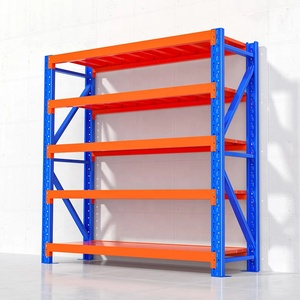
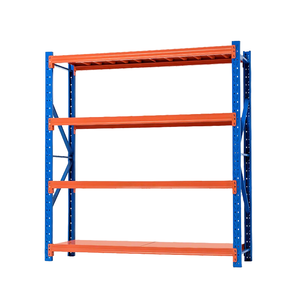
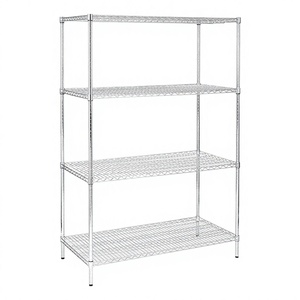
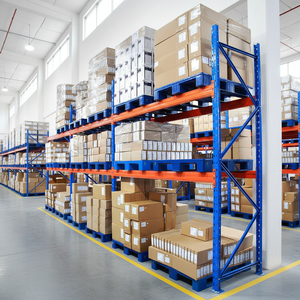
Explore our export-grade, structural and roll-formed pallet racking inventory engineered for high-density warehouse operations.
Global Manufacturer Evaluation Criteria
A technical evaluation framework for procurement directors, logistics engineers, and site managers selecting industrial storage exporters.
In modern global supply chains, selecting an industrial shelving and pallet rack manufacturer extends far beyond evaluating initial price per metric ton. As distribution centers expand vertically and automated material handling systems (AMHS) become standard, structural integrity, deflection ratios under live load, dynamic seismic resistance, and surface passivation become critical operational risk indicators.
Leading international original equipment manufacturers (OEMs) must adhere to rigorous international design codes including the European FEM 10.2.02 standard, the American RMI (Rack Manufacturers Institute) spec, Australian AS4084-2012, and regional seismic standards such as Chile’s structural design code NCh2369 / NCh433.
| Evaluation Vector | Tier-1 OEM Exporter Benchmark | Standard Commercial Exporter | Risk Assessment & ROI Impact |
|---|---|---|---|
| Structural Steel Grade | Certified Q355B / SS Grade 50 high-yield cold-rolled steel | Standard commercial Q235 steel without mill certificates | Prevents frame buckling under dynamic forklift impact and overload. |
| Seismic Engineering | Site-specific Finite Element Analysis (FEA), anchored baseplate calculations | Generic catalog load tables without lateral load modeling | Eliminates catastrophic collapse risks in active seismic regions (e.g., Chile, Japan, California). |
| Surface Protection | Thermosetting epoxy powder coat (80–100μm) or Hot-Dip Galvanizing (HDG) | Single-pass liquid paint (<40μm thickness) | Extends operational lifecycle in humid coastal or sub-zero (-25°C) cold stores without rusting. |
| QA & Compliance | ISO 9001:2015, EN 15512 structural calculations, EN 15635 inspection ready | In-house unverified visual checks | Ensures pass mark during annual occupational safety inspections (e.g., Decree 594 compliance). |
Seismic-Ready Engineering & Structural Resilience
Chile represents one of the most demanding seismic environments globally. Storage racking systems installed across regions from Santiago to Antofagasta must absorb extreme kinetic horizontal accelerations. Standard off-the-shelf structural layouts are prone to catastrophic failure if not explicitly calculated for localized ground accelerations and soil classifications.
Our engineering methodology incorporates advanced dynamic response spectrum analysis to size frame bracing patterns, beam-to-column connector claws, and high-torque wedge anchor footings.
- Site-Specific Soil & Seismic Modeling: Sized for local geotechnical conditions following NCh2369 parameters.
- Heavy-Duty Column Protectors: Form-fitted impact deflection guards preventing upright buckling at ground floor picking tiers.
- Turnkey Lifecycle Support: From initial 3D layout simulation to certified annual safety inspections under Chilean workplace regulations (Decree 594 & Law 16.744).
Engineering Focus: Cold Storage & Mining
Sub-zero operating environments present severe metallurgical challenges, including cold-shortness embrittlement in structural steel and condensation-induced corrosion.
Our specialized industrial cold-chain systems utilize high-density Push-Back, Drive-In, and Automated Radio Shuttle™ configurations designed to achieve up to 85% volumetric utilization while protecting structural ductility down to -25°C.
Future Industrial Racking Procurement Trends
Strategic insights shaping warehouse capital expenditure and storage infrastructure over the next decade.
High-Density Automated Hybridization
Warehouse procurement is rapidly shifting from conventional selective racking toward semi-automated Radio Shuttle and VNA (Very Narrow Aisle) systems. Supply chain operators are driving down per-pallet footprint costs while maintaining high-speed SKU rotation.
Modular Circular Steel Systems
Logistics enterprises are prioritizing reconfigurable boltless architecture and certified second-life component frameworks. Modular racking components allow rapid layout conversion as e-commerce fulfillment profiles evolve without discarding structural steel assets.
Digitized Structural Health Monitoring
Future-proof racking procurement incorporates smart strain sensors and IoT vibration monitors directly onto critical upright frames. Real-time monitoring alerts safety teams to forklift impact degradation before micro-fractures compromise column integrity.
Technological Development in Steel Racking Manufacturing
Advanced metallurgy, precision roll-forming, and automated robotics in modern rack production.
Continuous Cold-Roll Forming Precision
Modern production lines employ CNC 24-stage continuous cold-roll forming mills. This guarantees minimal residual stress in punch patterns, uniform material thickness, and exact beam-to-upright alignment under tight engineering tolerances.
Robotized Laser Welding Systems
Automated robotic welding cells eliminate human error in beam-end connector joints. Multi-pass fillet welds provide maximum torsional rigidity, preventing beam detachment during sudden pallet loading drops.
Hybrid Structural-Rollformed Profiles
Engineers are increasingly specifying hybrid structures: utilizing heavy structural C-channel steel for ground-level impact zones combined with roll-formed upper tiers to optimize steel weight and cut structural load on warehouse floor slabs.
Advanced Anti-Corrosion Nanotechnology
Pre-treatment automated zirconium washing combined with eco-friendly thermoplastic coatings significantly improves salt-spray resistance (exceeding 1,000 hours in ISO 9227 testing), offering superior corrosion resistance for coastal port logistics hubs.
Frequently Asked Questions (Technical Procurement Guide)
Direct expert responses to critical engineering, safety, and export logistics inquiries.
Is pallet racking in seismic zones like Chile required to have specialized structural engineering?
What is the structural difference between roll-formed and structural steel pallet racking?
Which high-density storage system yields the lowest cost per pallet position for cold storage?
What are the mandatory inspection and maintenance requirements for warehouse racks?
How do global manufacturers ensure international shipping and container packing efficiency?
How is pallet rack beam deflection measured and what are the safe operating limits?
Engineering Support & Global Quote Request
Consult with our senior warehouse design engineers. Submit your floor plan dimensions, clear building height, pallet specs, and localized load requirements for an optimized layout and factory-direct quotation.