Certified Heavy Duty Pallet Racking & High-Density Systems
Engineered for extreme structural integrity, seismic safety compliance (NCh2369 / RMI / EN 15512), and seamless warehouse automation integration.
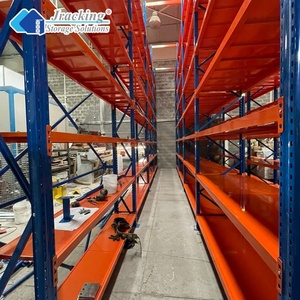
Jracking EURO Standard Warehouse Storage Racks Heavy Duty Steel Pallet Racking System for Distribution
Explore Specifications →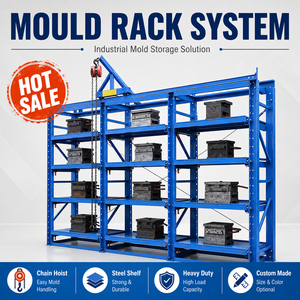
Competitive Price Durable High Density Steel Heavy Duty Mold Storage Racking System with Corrosion Protection for Warehouse Use
Explore Specifications →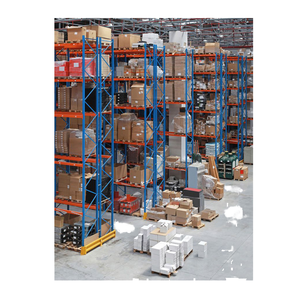
Factory Storage Heavy Duty Steel Detachable Pallet Racking Shelving for Industrial
Explore Specifications →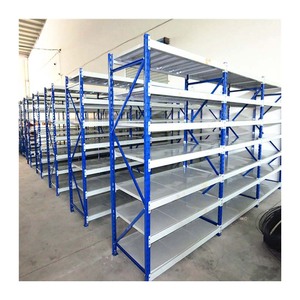
Mracking Light Duty Warehouse Selective Shelf Metal Steel Customized Warehouse Rack Warehouse Storage System Boltless Racking
Explore Specifications →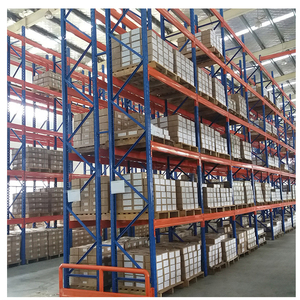
Heavy Duty Rack Storage Industrial Selective Assembly Pallet Use Rack Warehouse Storage Pallet Rack
Explore Specifications →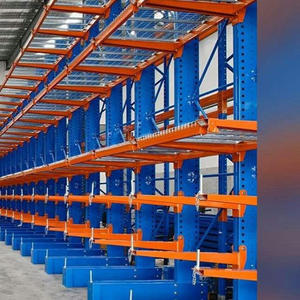
Industrial Cantilever Racks Single Side Warehouse Racking System Multi-Level Storage Plywood Steel Material for Management
Explore Specifications →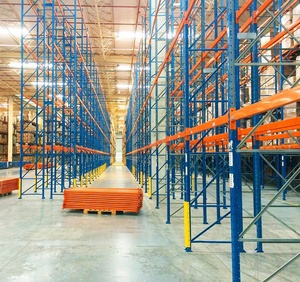
Warehouse Storage Racking System Industrial Metal Racks Heavy Duty Selective Pallet Racking
Explore Specifications →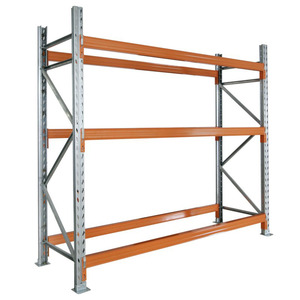
NOVA Full Automatic Warehouse Q235 Steel Boltless Store Heavy Duty Stacking Rack Industrial Storage Pallet Racking System
Explore Specifications →Engineering the Next Generation of Industrial Pallet Racking Systems
Modern global logistics hubs, third-party logistics (3PL) providers, cold storage operators, and manufacturing plants require far more than off-the-shelf metal frames. The convergence of high-density automated material handling, stringent global seismic safety mandates, and volatile steel commodity markets demands a structural engineering approach to warehouse storage. As a premier OEM & ODM warehouse pallet racking system manufacturer and wholesaler, our operation bridges the gap between sophisticated civil-structural engineering and large-scale precision metal fabrication.
Whether configuring high-bay Selective Pallet Racking, Drive-In systems for sub-zero cold rooms, or automated Radio Shuttle and AS/RS (Automated Storage and Retrieval Systems) structures, every component must undergo precise mathematical calculation. Our engineering processes utilize high-grade certified cold-rolled structural steel—primarily Q235B and high-strength Q355B (equivalent to SS400 and ASTM A572 Grade 50)—engineered specifically to handle dynamic live loads, operational impact vibrations, and critical ground accelerations associated with seismic zones globally.
Custom OEM/ODM Engineering
Full CAD & 3D BIM design service tailored to your exact warehouse layout, slab load ratings, column spacing, and material handling equipment (MHE) specs.
Seismic-Ready Structural Design
Certified structural calculations for high seismic risk zones adhering to Chilean NCh2369 / NCh433, US RMI ANSI MH16.1, and European FEM 10.2.02 codes.
Advanced Anti-Corrosion Finishing
Electrostatic powder coating (80–100µm) and Hot-Dip Galvanizing (HDG) designed for longevity in high-humidity and sub-zero (-30°C) cold storage environments.
Technical Comparison & Engineering Specifications Matrix
Selecting the optimal pallet storage geometry requires evaluating mechanical load dynamics, floor space utilization, and operational throughput speeds. Below is an engineering comparison matrix for major industrial pallet racking architectures manufactured in our facilities:
| Racking Architecture | Selectivity (%) | Cube Utilization | Typical Steel Grade | Ideal Application Profile |
|---|---|---|---|---|
| Selective Pallet Racking | 100% | 60% – 70% | Q235B / Q355B Structural | FMCG, High-SKU Distribution, 3PL Warehousing |
| Drive-In / Drive-Thru Racking | 20% – 30% | 80% – 85% | High-Tensile Cold Formed Steel | Cold Storage, Homogeneous Bulk Inventory, Seasonal Stock |
| Push-Back Racking System | 40% – 50% | 75% – 80% | Heavy-Duty Steel Carts & Channels | LIFO Stock Control, Medium-SKU High Density Storage |
| Radio Shuttle Automation Racking | 30% – 40% | 85% – 92% | Precision Machined Q355B Channels | Automated Cold Chain, High-Throughput Fulfillment |
| Heavy Duty Cantilever Racks | 100% (Long Stock) | 70% – 80% | Hot-Rolled Structural H-Beams | Timber, Metal Pipes, Steel Profiles, Building Supplies |
Future Procurement Trends in Global Warehouse Racking (2025–2030)
Procurement directors and supply chain leaders are fundamentally shifting how industrial storage hardware is sourced. In an era marked by rapid supply chain realignments, the traditional transactional acquisition of steel racks has evolved into strategic, data-driven partnerships. Key trends defining global procurement strategies include:
1. Shift Toward Total Cost of Ownership (TCO) & Structural Longevity
Modern enterprise buyers prioritize lifetime TCO over initial capital expenditure. Cheaply manufactured, under-gauged upright frames often warp under routine forklift impacts, incurring massive downtime and repair costs. OEM/ODM suppliers who provide heavy-duty column protectors, reinforced bottom upright sections (first 1000mm), and high yield-strength steel significantly lower maintenance overhead over a 15 to 20-year operational lifecycle.
2. ESG Alignment & Circular Steel Manufacturing
Environmental, Social, and Governance (ESG) compliance is now mandatory for major enterprise procurement audits. Global buyers demand certified zero-waste powder coating processes, recycled content steel utilization, and environmental product declarations (EPDs). Furthermore, certified circular economy initiatives—such as structural re-certification and re-engineering of existing rack assets during facility upgrades—are rapidly gaining traction across North America and Europe.
3. Modular Scalability for Hybrid Automation (AS/RS & AGV/AMR)
As warehouses transition from manual forklift operation to semi-automated or fully automated AGV/AMR fleets, racking tolerances become dramatically tighter. Standard rack manufacturing tolerances (±2.0mm) are insufficient for robotic shuttles that demand millimeter-perfect beam alignment (±0.5mm). Wholesalers must provide high-precision roll-formed sections capable of integrating rack-mounted sensor arrays and automated guide rails effortlessly.
Product Development & Technological Trends in Storage Systems
The manufacturing technology behind pallet racking systems is undergoing continuous technological iteration. Below are the core engineering breakthroughs driving our OEM/ODM product design:
High-Tensile Thin-Gauge Profiles
By utilizing cold-rolled high-strength alloy steels (Q355B and above), we achieve identical or superior beam moment capacity while reducing overall steel consumption and freight weight.
Smart IoT Integrated Racking
Embedded strain gauges and wireless tilt sensors within critical load-bearing uprights allow real-time monitoring of frame deflection, overload alerts, and seismic displacement warnings.
Specialized Cold Chain Coatings
Thermally flexible powder polymers engineered to resist micro-cracking and rust propagation in extreme sub-zero (-30°C) rapid-freezing agricultural and seafood warehouses.
Unrivaled OEM/ODM Factory Advantages & Service Quality
Partnering with an established structural rack manufacturer gives project managers, distributors, and general contractors direct control over product quality, customization flexibility, and lead times. Our industrial base features enterprise advantages built on decades of manufacturing excellence:
- ✓ Fully Automated Robotic Welding Cells: Robotic welding guarantees 100% consistent beam connector welds, eliminating human fatigue error and ensuring superior shear strength under high capacity rating tests.
- ✓ Factory-Direct Raw Material Sourcing: We source premium steel coils directly from tier-1 steel mills (Baosteel, Shougang Group) with complete mill test certificates (MTC) accompanying every order batch.
- ✓ Complete OEM Branding & ODM Tailoring: From customized upright column punching pitch (50mm, 75mm, 76.2mm / 3-inch pitch) to custom corporate color powder coats, we manufacture precisely to your brand guidelines.
- ✓ End-to-End Global Project Management: Our engineering support team assists with container loading optimization, export packing protection (steel banding and moisture-proof plastic wrap), and site installation supervision worldwide.
Frequently Asked Questions (FAQ) for Wholesalers & Buyers
ODM (Original Design Manufacturer): Our internal structural engineering team designs the entire racking layout, beam sections, and safety calculations from scratch based on your facility dimensions, floor load capacity, forklift specifications, and target pallet weights.