High-Performance Pallet Racking Systems
Direct OEM/ODM manufacturing engineered to international RMI, FEM, and ISO safety compliance standards.
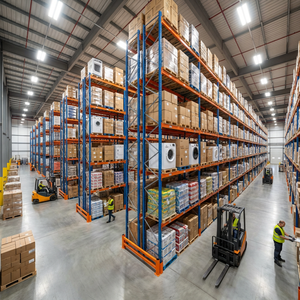
Custom Multi Level Heavy Duty Steel Warehouse Industrial Pallet Storage Shelf Rack
View Specifications →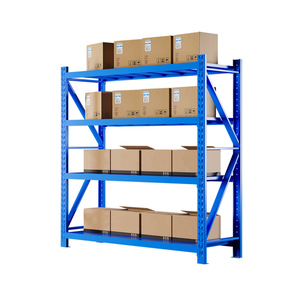
Industrial Warehouse Storage 5-Layer Pallet Racking System with Tire Rack Slotted Angle Rack
View Specifications →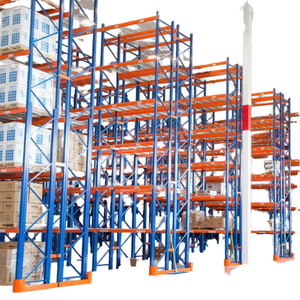
Logistics Center Pallet Rack OEM Manufacturer Q235B Steel Heavy Duty Storage Shelf 4000kg Capacity
View Specifications →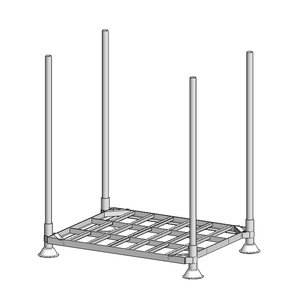
Warehouse Equipment Vertical Stacking Manuracks Stackable Steel Post Pallet Racks for Fabric Rolls
View Specifications →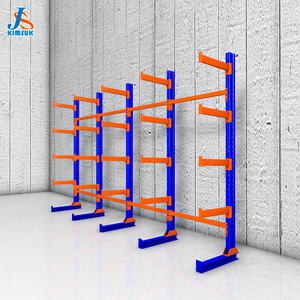
Electric Telescopic Cantilever Rack Heavy Duty Industrial Warehouse Racks Steel Rack
View Specifications →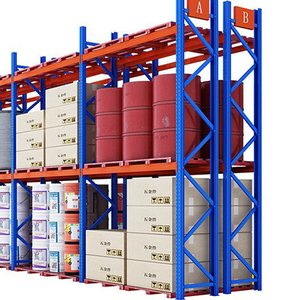
Metal Pallet Racking Warehouse Storage Pallet Racking System Heavy Duty Shelves Rack Unit
View Specifications →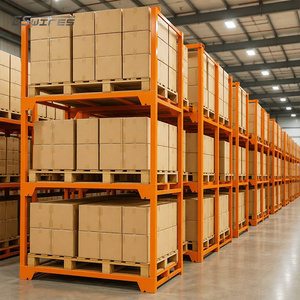
Heavy Duty Warehouse Industrial Storage Nestainer Metal Portable Steel Racks Pallet Stacking Frames
View Specifications →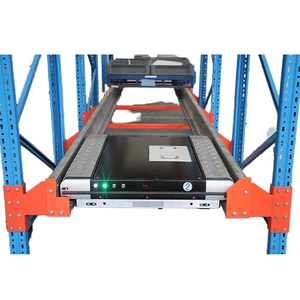
CE Certified Intelligent Warehouse High Density Radio Shuttle Racking System
View Specifications →Engineering Excellence in Heavy-Duty Industrial Pallet Racking Systems
As global supply chains expand across cold-chain logistics, mining, automated e-commerce fulfilment, and agro-export networks, warehouse infrastructure faces unprecedented performance demands. Choosing an OEM manufacturing partner in China requires going beyond superficial pricing to evaluate structural engineering integrity, material yield strength, seismic safety margins, and long-term total cost of ownership (TCO).
1. Structural Metallurgy: Q235B vs. Q355B Steel Standards
The operational safety of a pallet rack begins with steel chemistry and profile forming. Standard commercial shelving often utilizes lower-grade commercial steel with high variability in yield limits. Premium Chinese industrial racking factories utilize prime cold-rolled steel (SS400 equivalent Q235B or high-strength Q355B). Q355B steel delivers a minimum yield strength of 355 MPa, allowing structural engineers to minimize rack deadweight while elevating load-bearing thresholds to 4,000kg+ per beam level.
| Steel Grade / Criteria | Yield Strength (MPa) | Tensile Strength (MPa) | Optimal Application Scenario | Global Standard Equivalent |
|---|---|---|---|---|
| Q235B Steel | ≥ 235 MPa | 370 - 500 MPa | Standard Selective Racking, Light-to-Medium Shelving | ASTM A36 / S235JR |
| Q355B High-Strength | ≥ 355 MPa | 470 - 630 MPa | Heavy-Duty High-Bay Racking, VNA, Radio Shuttle Systems | ASTM A572 Gr 50 / S355JR |
| Hot-Dip Galvanized | Customized Core | Coating: ≥ 85 μm | Cold Storage (-25°C), Outdoor & High Humidity Environments | ISO 1461 Compliant |
2. Seismic-Ready Frame Geometry & FEA Load Calculations
Global warehouse deployments—from Latin America's Pacific Rim to seismic zones across Europe and Asia—demand rigorous finite element analysis (FEA). Leading Chinese exporters utilize specialized structural simulation software aligned with ANSI MH16.1 (RMI), FEM 10.2.02, and Chilean NCh2369 standards. Key structural design parameters include:
- Continuous Upright Roll-Forming: 10 to 12-fold cold-rolled upright profiles designed to resist torsional buckling under asymmetrical loading.
- Dual-Hook Beam Lock Connectors: High-precision stamped beam connectors with auto-locking safety pins preventing accidental forklift displacement.
- Seismic Base Plate Engineering: Heavy gauge floor baseplates utilizing chemical anchor bolts sized specifically for local concrete slab specifications (FF/FL numbers).
Why Global Procurement Leaders Choose Our OEM/ODM Manufacturing
End-to-end quality assurance, direct mill steel sourcing, and comprehensive export execution.
Precision OEM/ODM Customization
Full structural customization tailored to pallet dimensions (1200x1000mm Euro/US formats), forklift turning radii, overhead sprinkler gaps, and height constraints up to 15+ meters.
Automated Epoxy Powder Coating
State-of-the-art continuous powder coating lines providing 60–80 micron electrostatically applied finishes. Scratch-resistant, corrosion-durable, and available in custom RAL colors.
Rigorous Factory Quality Control
Every production batch undergoes ultrasonic weld testing, steel chemical composition analysis, zinc coating thickness validation, and dynamic deflection load tests prior to container loading.
System Selection Guide: Matching Racking Technology to Operational SKUs
Maximizing storage density requires balancing accessibility with volumetric cubic efficiency. Below is an engineering framework for specifying racking technology based on stock rotation (FIFO vs. LIFO) and SKU variance.
1. Selective Pallet Racking (100% Direct Accessibility)
Best suited for distribution centers with high SKU diversity requiring fast order picking. Offers total flexibility for variable load sizes and supports any forklift type without specialized aisle configurations.
2. Intelligent Radio Shuttle Systems (Automated High-Density)
Ideal for food cold stores, beverage logistics, and bulk raw material storage. Autonomous battery-powered shuttles transport pallets within deep channels, reducing forklift drive times by up to 60% while expanding cubic space utilization to over 85%.
3. Telescopic & Heavy Cantilever Systems (Long-Form Cargo)
Purpose-engineered for lumber, steel pipes, aluminum profiles, and heavy machinery spares. Electric telescopic cantilever configurations allow overhead crane loading and motorized shelf extension, eliminating aisle clearance wasted by traditional long-item handling.
4. Nestainer & Stackable Post Pallet Frames (Flexible Modular Storage)
Designed for seasonal inventory spikes, bulk fabric roll handling, and temporary warehouse staging. Nestainer frames nest empty when not in use, converting open floor space into high-capacity dynamic stacking lanes without requiring permanent floor anchoring.
Global Warehouse Racking Trends: Sourcing Perspectives for 2025–2030
The global industrial warehouse landscape is experiencing rapid modernization driven by automation, sustainability mandates, and volatile global freight costs. Strategic procurement teams must design racking assets that remain adaptable over a 15 to 20-year operational lifecycle.
Automation & AMR Integration
Traditional structural racks are evolving into AMR-compatible systems featuring ground-level guide tracks, sensor reflectors, and high-flatness tolerances to accommodate AGV lifters.
ESG & Green Steel Decarbonization
Exporters are increasingly providing Environmental Product Declarations (EPDs), utilizing low-emission electric arc furnace (EAF) steel and non-toxic powder finishes to support corporate net-zero targets.
Optimized Knock-Down Export Packing
Container space optimization is essential. Customized nested bundling and protective steel-framed skid packaging maximize container payload weight (up to 26 metric tons per 40HQ), minimizing ocean freight per pallet slot.
Frequently Asked Questions (FAQ)
Expert engineering answers to common procurement, structural, and export logistics queries.
How do Chinese racking factories verify structural compliance with local overseas building codes?
What steel quality documentation should I demand before placing a bulk OEM order?
What surface treatment is best for sub-zero cold storage facilities (-25°C or lower)?
How does Radio Shuttle racking compare with Drive-In racking in total return on investment (ROI)?
What is the standard production lead time and container packing efficiency for export orders?
Transform Your Warehouse Storage Capacity Today
Consult directly with our senior structural engineers to receive custom 2D/3D layout CAD designs, FEA load reports, and factory-direct OEM pricing within 24 hours.