Industrial Warehouse Racking Systems
Discover our engineered spectrum of high-density pallet storage units, customizable structural frames, and heavy-duty logistics shelving built for international compliance.
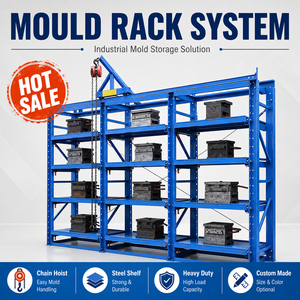
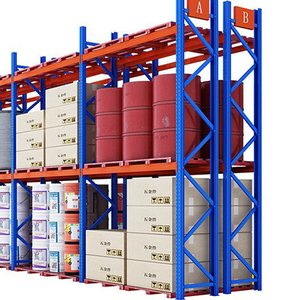
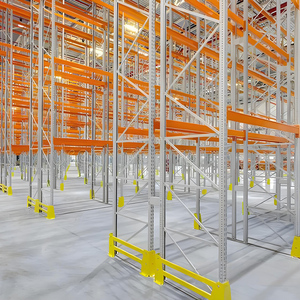
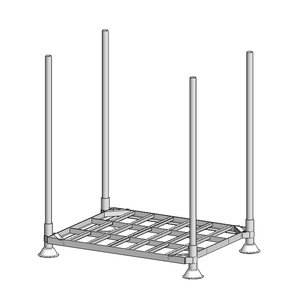
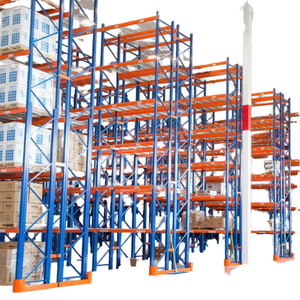
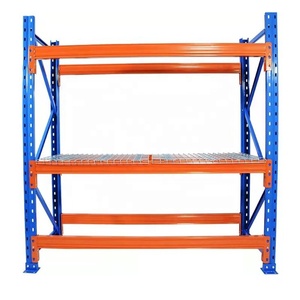
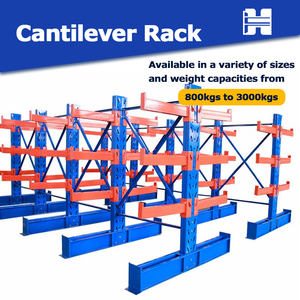
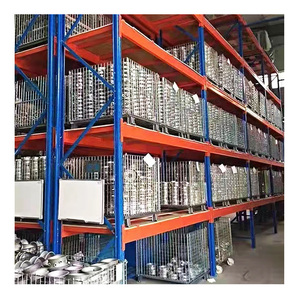
The Strategic Role of China's Pallet Flow Rack Manufacturers in Modern Global Supply Chains
As global supply chain optimization shifts from mere capacity expansion to density maximization and high-throughput velocity, Pallet Flow Racking (Gravity Flow Racking) has emerged as the definitive benchmark for high-density First-In, First-Out (FIFO) inventory control. As a premier industrial hub, top Chinese manufacturers and suppliers have evolved beyond simple steel fabrication into comprehensive engineering entities capable of designing, modeling, and certifying complex dynamic flow systems for global deployment.
Modern warehouse logistics faces an unprecedented convergence of economic pressures: escalating industrial real estate costs, stringent cold-chain energy consumption rules, and localized seismic safety requirements such as Chilean NCh2369, US RMI ANSI MH16.1, and European FEM 10.2.02. Sourcing pallet flow racks from tier-1 Chinese factories provides global procurement officers with a distinct competitive edge—combining certified Q355B high-tensile structural steel, precision-engineered roller track mechanics, and custom OEM manufacturing at highly optimized capital expenditure (CAPEX) thresholds.
Key Engineering Pillars of High-Density Gravity Storage
- Gravitational Velocity Control: Specially calibrated magnetic and mechanical brake rollers designed to maintain a consistent speed (approx. 0.3 m/s) regardless of pallet weight variance (300 kg to 1,500 kg).
- Automatic Pallet Separators: Heavy-duty mechanical ramp separators positioned at the discharge end to isolate the front pallet from accumulating rear line pressure, allowing safe forklift retrieval without binding.
- Seismic Structural Bracing: Custom upright frames utilizing cold-rolled teardrop or structural C-channel profiles with enlarged baseplates engineered for high acceleration zone compliance.
- Sub-Zero Operating Capability: Corrosion-resistant electro-galvanized or hot-dip galvanized finishes alongside low-temperature lubricants ensuring flawless dynamic rotation down to -30°C in food & cold storage environments.
Why Partner With Leading Chinese Rack Manufacturers
Delivering end-to-end reliability from structural engineering calculations to global project execution.
Custom OEM/ODM Metallurgical Precision
Utilizing high-grade Q235B and Q355B cold-rolled steel. Our manufacturing facilities utilize continuous automated roll-forming lines and robotic welding cells to ensure sub-millimeter tolerances on beam connectors, pitch slopes, and roller track alignments.
Advanced Finite Element Analysis (FEA)
Every pallet flow system undergoes complete 3D dynamic simulations and structural static calculations under loaded conditions. We model sway, deflection, and seismic shear forces to guarantee compliance with local building codes worldwide.
Full Lifecycle Quality Assurance & Support
From initial facility CAD layout design and site survey verification to pre-shipment factory load testing, export containerized packaging, and certified installation guidance, we eliminate operational risk at every stage.
High-Density Storage System Selection Matrix
Selecting the optimal warehouse storage architecture requires balancing pallet density, operational throughput speed, selectivity percentage, and capital investment. The comparative matrix below demonstrates where Pallet Flow Racking delivers superior performance over alternative high-density configurations.
| Storage System Type | Space Utilization | Stock Rotation Method | Picking Velocity | Forklift Aisle Demand | Relative CAPEX |
|---|---|---|---|---|---|
| Pallet Flow Racking | 85% - 90% | Strict FIFO (First-In, First-Out) | Very High | Low (2 Aisles Only) | Medium - High |
| Selective Pallet Racking | 40% - 50% | 100% Selective Access | High | High (Aisle per row) | Low |
| Drive-In Racking | 70% - 80% | LIFO (Last-In, First-Out) | Low - Moderate | Very Low | Low - Medium |
| Push Back Racking | 65% - 75% | LIFO (Last-In, First-Out) | Moderate | Low (1 Loading Aisle) | Medium |
| Radio Shuttle Racking | 85% - 92% | FIFO / LIFO Flexible | Very High | Low | High (Automation) |
As illustrated, Pallet Flow Racking is the uncontested dynamic choice when rapid inventory rotation and strict FIFO adherence are mandated—particularly for perishable food items, pharmaceutical distribution centers, high-volume consumer goods (FMCG), and manufacturing buffer zones.
Future Procurement Trends in Pallet Flow Technology
Key technological transformations driving the next generation of dynamic gravity racking systems worldwide.
1. AGV & AMR Automated Interface Integration
Modern pallet flow lanes are increasingly specified with precision entry guides and electronic sensor integration to seamlessly interface with Autonomous Mobile Robots (AMRs) and Automated Guided Vehicles (AGVs). China’s leading manufacturers are redesigning discharge face stop plates to accommodate robotic arm clamps and automated optical alignment systems.
2. Cold-Chain Energy Optimization & Sustainable Galvanizing
Refrigerated warehouse operators are actively replacing static racking with deep-lane gravity flow systems to reduce the cubic meter footprint requiring refrigeration. Furthermore, suppliers are adopting eco-friendly zinc-aluminum-magnesium coatings that offer 5x higher corrosion resistance in humid cold stores compared to standard powder paint.
3. Smart Sensor-Embedded Brake Rollers
Innovations in dynamic roller engineering include internal magnetic speed controllers embedded with IoT telemetry modules. These smart rollers monitor rotational resistance, track pallet deceleration trends, and trigger preventative maintenance alerts before mechanical binding occurs inside deep flow lanes.
4. Seismic Resilient Modular Engineering
Global warehouse developers operating in active seismic zones (such as South America, Japan, and the US West Coast) require higher structural ductility. Top Chinese OEM exporters now provide specialized upright profile geometries with heavy-duty floor anchor arrays engineered to absorb horizontal seismic shock waves without lane dislodgement.
Pallet Flow Racking Sourcing & Engineering FAQs
Direct technical answers to common questions asked by global supply chain directors, warehouse engineers, and international buyers.
What is the standard beam incline angle required for reliable pallet flow gravity systems?
How do Chinese manufacturers ensure quality control on dynamic brake rollers and separators?
Can Pallet Flow Racks handle mixed pallet types (e.g., Euro pallets vs. GMA plastic pallets)?
What structural certifications and standards do your rack designs comply with?
What is the typical lead time and export shipping arrangement for OEM pallet rack orders?
Transform Your Warehouse Storage Efficiency Today
Consult with our senior structural racking engineers to receive a customized 3D floor plan layout, gravity lane simulation analysis, and a competitive direct factory quote.
Inquire Now